
Modern vehicles are no longer controlled only by mechanical systems. Today’s cars use advanced electronic technology to improve safety, performance, fuel efficiency, and driving comfort. One of the most important parts of this technology is the automotive sensor system.
Automotive sensors work like the “eyes and ears” of a vehicle. They collect information from different parts of the car and send signals to electronic control units, which analyze the data and make decisions. From adjusting engine performance to supporting safety features, sensors play a major role in how modern vehicles operate.
Understanding how automotive sensors communicate helps beginners learn how cars use technology to respond to changing conditions and provide a smoother driving experience.
What Are Automotive Sensors?
Automotive sensors are electronic devices that detect changes in a vehicle’s environment or internal systems. They measure information such as temperature, speed, pressure, movement, position, and air conditions.
The collected information is converted into electrical signals and sent to vehicle control systems.
For example, an engine temperature sensor monitors heat levels and sends data to the engine control unit. The system then adjusts engine operation to maintain proper performance.
Modern vehicles contain many sensors working together to ensure efficient and safe operation.
The Basic Communication Process of Automotive Sensors
The communication process between sensors and vehicle systems follows a simple sequence.
First, a sensor detects information from the vehicle or surrounding environment. Next, it converts that information into an electrical signal. The signal is then transmitted to an electronic control unit (ECU), where the data is processed.
After analyzing the information, the ECU sends commands to different vehicle components to perform specific actions.
This continuous process happens within seconds, allowing vehicles to respond quickly to changing conditions.
Step 1: Sensors Collect Information
The first step begins when sensors collect data.
Different sensors monitor different aspects of vehicle operation. For example, oxygen sensors measure exhaust gases, wheel speed sensors monitor tire rotation, and temperature sensors measure heat levels.
Each sensor is designed for a specific purpose and continuously gathers information while the vehicle is operating.
These sensors help the vehicle understand what is happening internally and externally.
Without accurate sensor data, modern automotive systems would not be able to function properly.
Step 2: Converting Data Into Electrical Signals
After collecting information, sensors convert physical changes into electrical signals.
A sensor detects changes such as pressure, temperature, or movement and transforms them into digital or analog signals that vehicle computers can understand.
For example, when engine temperature changes, the temperature sensor converts that change into an electrical signal representing the current temperature level.
This conversion allows electronic systems to process real-world information and make appropriate decisions.
Step 3: Sending Signals to Electronic Control Units
Once the sensor creates a signal, the information needs to reach the vehicle’s electronic control units.
Modern cars contain multiple control units responsible for different functions, such as engine management, braking systems, airbags, and transmission control.
Sensors communicate with these control units through electrical connections and communication networks.
The control units receive sensor information and use it to monitor and control different vehicle operations.
Step 4: Processing Data Through Vehicle Computers
Electronic control units act as the brain of automotive systems.
When an ECU receives information from sensors, it compares the data with programmed instructions and determines the appropriate response.
For example, if an engine sensor detects incorrect air and fuel levels, the ECU can adjust fuel injection to improve engine performance.
This processing happens continuously while driving, allowing the vehicle to adapt to different conditions.
Step 5: Sending Commands to Vehicle Components
After processing sensor information, control units send commands to different vehicle components.
These commands help adjust systems according to current conditions.
For example, sensor information can help control braking assistance, engine performance, automatic transmission changes, and safety systems.
The communication between sensors, computers, and vehicle components creates a connected system that improves overall vehicle operation.
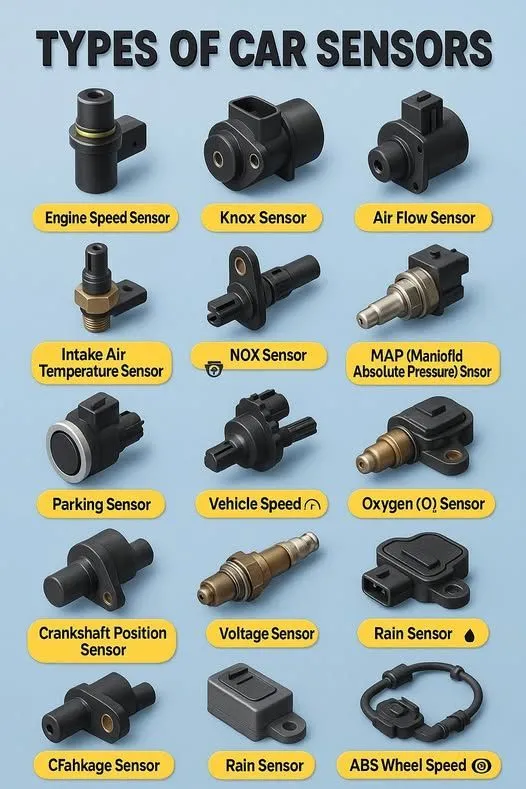
Types of Automotive Sensors and Their Communication Roles
Modern vehicles use many different sensors, each performing a specific function.
Engine sensors monitor important factors such as temperature, air intake, fuel levels, and emissions. These sensors help maintain efficient engine operation.
Safety sensors support features such as airbags, collision detection, and stability control by monitoring vehicle movement and impact conditions.
Environmental sensors collect information from outside the vehicle, helping systems adjust to weather, road conditions, and surroundings.
Each sensor contributes valuable information that helps the vehicle operate safely and efficiently.
Communication Networks Inside Vehicles
Vehicles use specialized communication networks to allow different electronic systems to exchange information.
One common communication method allows multiple control units and sensors to share data efficiently.
These networks reduce the amount of wiring required and improve communication speed between vehicle systems.
As vehicles become more advanced, communication networks continue to develop to support features such as autonomous driving and connected vehicle technology.
Role of Sensors in Vehicle Safety
Automotive sensors are extremely important for improving vehicle safety.
Safety systems depend on accurate sensor information to respond quickly during dangerous situations.
For example, braking assistance systems use sensor data to detect obstacles and support safer driving.
Airbag systems rely on sensors that identify sudden impacts and provide information needed for proper deployment.
Without reliable communication between sensors and control systems, many modern safety features would not be possible.
Role of Sensors in Fuel Efficiency
Sensors also help vehicles use fuel more efficiently.
Engine management systems depend on sensor information to maintain the correct balance of fuel and air.
Accurate sensor communication allows the engine to operate efficiently under different driving conditions.
This improves performance and helps reduce unnecessary fuel consumption.
As fuel efficiency becomes increasingly important, automotive sensors continue to play a larger role in vehicle design.
Challenges in Automotive Sensor Communication
Although automotive sensors are highly advanced, they can face challenges.
Sensor failures, damaged wiring, software problems, or communication errors can affect vehicle performance.
A faulty sensor may send incorrect information, causing warning lights or reduced system efficiency.
Regular vehicle inspections and proper maintenance help identify sensor-related problems early.
Modern diagnostic tools allow technicians to check sensor performance and communication systems.
Future of Automotive Sensor Technology
Automotive sensor technology continues to evolve rapidly.
Electric vehicles, connected cars, and autonomous driving systems require more advanced sensors and faster communication methods.
Future vehicles are expected to use improved sensor systems that provide more accurate information about road conditions, vehicle surroundings, and driver behavior.
Advanced communication between sensors and vehicle computers will continue improving safety, efficiency, and driving experiences.
Frequently Asked Questions (FAQs)
Why are automotive sensors important?
Automotive sensors collect important information that helps vehicles improve performance, safety, and efficiency.
How do car sensors communicate with computers?
Sensors convert information into electrical signals and send data to electronic control units that process and respond to the information.
Can a faulty sensor affect vehicle performance?
Yes, a faulty sensor can provide incorrect information and affect systems such as engine performance, fuel efficiency, and safety features.
Conclusion
Automotive sensors are essential components of modern vehicles. They collect information, convert it into signals, communicate with electronic control units, and help different vehicle systems make accurate decisions.
From improving fuel efficiency to supporting advanced safety features, sensors allow cars to become smarter and more responsive.
Understanding how automotive sensors communicate provides beginners with valuable knowledge about the technology behind today’s vehicles. As automotive innovation continues, sensor communication will remain a key part of creating safer, more efficient, and intelligent transportation systems.