
Healthy digestion is one of the most important foundations of overall well-being. The digestive system does much more than break down food; it helps the body absorb essential nutrients, produce energy, remove waste, and support many important functions. A properly working digestive system allows the body to receive the vitamins, minerals, and other nutrients needed for daily activities and long-term health.
Many people focus only on what they eat but do not consider how effectively their body processes and uses that food. Digestive health depends on several factors, including diet, hydration, physical activity, lifestyle habits, and stress management.
Understanding how healthy digestion supports the body can help individuals make better choices and develop habits that improve overall wellness.
Understanding the Digestive System
The digestive system is a complex group of organs that work together to process food and provide nutrients to the body. It includes organs such as the mouth, stomach, small intestine, large intestine, liver, pancreas, and other supporting structures.
Digestion begins when food enters the mouth, where chewing and saliva start breaking it down. The food then moves through the digestive tract, where it is further processed and nutrients are absorbed.
The remaining waste is prepared for removal from the body. This entire process allows the body to use food as a source of energy, growth, and repair.
Digestion Helps the Body Absorb Essential Nutrients
One of the primary functions of digestion is helping the body absorb nutrients from food.
Carbohydrates, proteins, fats, vitamins, minerals, and other nutrients are broken down into smaller components that the body can use.
These nutrients support important functions such as energy production, immune health, muscle development, and cell repair.
Without proper digestion, even a nutritious diet may not provide the full benefits because the body may struggle to absorb and use essential nutrients effectively.
Supporting Energy Levels and Daily Performance
Food provides the energy required for daily activities, but the body needs a healthy digestive system to convert food into usable energy.
Proper digestion allows nutrients from meals to enter the bloodstream and support body functions.
When digestion works efficiently, the body can maintain better energy levels throughout the day.
Poor digestion may contribute to discomfort, tiredness, and difficulty maintaining normal activity levels.
A healthy digestive system helps ensure that the body receives the fuel it needs for physical and mental performance.
The Connection Between Digestion and Immune Health
The digestive system plays an important role in supporting the immune system.
A large part of the body’s immune activity is connected with the digestive tract, where beneficial bacteria and immune cells interact.
A balanced digestive environment helps support the body’s natural defense mechanisms.
Healthy eating habits, adequate fiber intake, and maintaining a balanced gut environment can contribute to better immune function.
Supporting digestive health is therefore an important part of maintaining overall protection against health challenges.
The Importance of Gut Bacteria
The digestive system contains trillions of microorganisms, including beneficial bacteria that support normal body functions.
These microorganisms help break down certain foods, support nutrient processing, and maintain a balanced digestive environment.
A healthy balance of gut bacteria is influenced by factors such as diet, lifestyle, and overall health.
Foods containing fiber and a variety of nutrients can help support beneficial gut microorganisms.
Maintaining a healthy gut environment contributes to better digestive function and overall wellness.
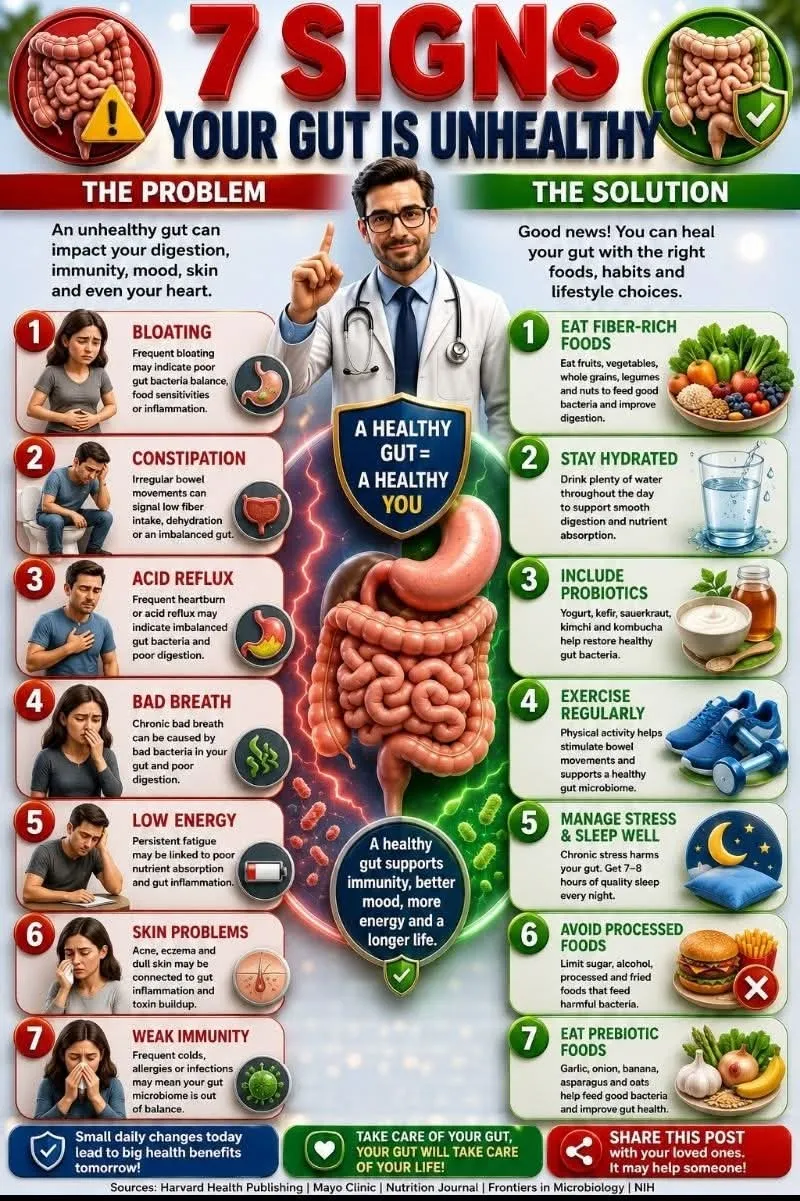
Digestion and Mental Well-Being
The digestive system and brain are closely connected through communication pathways often referred to as the gut-brain connection.
Digestive health can influence mood, stress response, and overall mental well-being.
A balanced digestive system supports normal body processes that are connected with emotional health.
Lifestyle habits such as eating nutritious foods, managing stress, and maintaining healthy routines can support both digestive and mental wellness.
This connection shows that digestive health affects more than just physical comfort.
Healthy Digestion Supports Weight Management
A properly functioning digestive system can support healthy weight management.
Efficient digestion helps the body process nutrients effectively and maintain better energy balance.
Eating a balanced diet with adequate fiber, protein, and essential nutrients can support feelings of fullness and reduce unnecessary overeating.
Healthy digestion also encourages better food choices and supports a balanced lifestyle.
However, weight management depends on multiple factors, including physical activity, genetics, sleep, and overall habits.
Role of Fiber in Digestive Health
Fiber is an important part of a healthy digestive system.
It helps support regular bowel movements and contributes to a healthier digestive environment.
Foods rich in fiber include fruits, vegetables, whole grains, and legumes.
Fiber also supports beneficial gut bacteria, which play an important role in digestive health.
Including enough fiber in the diet helps maintain smoother digestion and supports overall wellness.
Importance of Hydration for Digestion
Water plays an essential role in the digestive process.
Adequate hydration helps the body break down food and supports the movement of waste through the digestive system.
Insufficient fluid intake can affect normal digestive function and may contribute to discomfort.
Drinking enough water and consuming water-rich foods are simple ways to support digestive health.
Hydration works together with a balanced diet to maintain proper digestive function.
Physical Activity and Digestive Health
Regular physical activity supports healthy digestion by encouraging normal movement throughout the digestive system.
Exercise can help improve overall body function and support regular digestive processes.
Activities such as walking, cycling, and other forms of movement can contribute to better digestive wellness.
A combination of balanced nutrition and regular activity creates a healthier environment for the digestive system.
Common Habits That Affect Digestion
Several lifestyle habits can influence digestive health.
Eating too quickly, consuming an unbalanced diet, insufficient hydration, lack of physical activity, and high stress levels may affect digestion.
Developing mindful eating habits can improve the digestive process.
Chewing food properly, maintaining regular meal patterns, and choosing nutritious foods can support better digestion.
Small lifestyle improvements can create long-term benefits for digestive wellness.
Signs of Poor Digestive Health
Digestive problems can appear in different ways.
Common signs may include bloating, discomfort, irregular bowel movements, excessive gas, or changes in appetite.
Occasional digestive issues can happen, but ongoing problems may require attention from a healthcare professional.
Understanding digestive signals helps individuals recognize when lifestyle changes or professional guidance may be needed.
Maintaining healthy habits is an important step toward preventing digestive difficulties.
Tips for Maintaining Better Digestion
Supporting digestive health requires consistent healthy habits.
Eating a balanced diet, drinking enough water, staying physically active, and managing stress are important steps.
Including a variety of nutrient-rich foods helps provide the body with essential nutrients.
Avoiding excessive processed foods and maintaining regular eating patterns can also support digestive balance.
Healthy digestion is built through daily choices rather than short-term solutions.
Frequently Asked Questions (FAQs)
Why is healthy digestion important?
Healthy digestion helps the body absorb nutrients, produce energy, remove waste, and support overall wellness.
How can I improve my digestive health naturally?
Eating fiber-rich foods, staying hydrated, exercising regularly, and maintaining healthy eating habits can support digestion.
Does digestion affect overall health?
Yes, digestion influences nutrient absorption, immunity, energy levels, and many other important body functions.
Conclusion
Healthy digestion is a vital part of maintaining a strong and balanced body. It supports nutrient absorption, energy production, immune function, mental well-being, and overall health.
A healthy digestive system depends on consistent lifestyle choices, including nutritious food, proper hydration, regular physical activity, and mindful eating habits.
By understanding the importance of digestion and taking simple steps to support it, individuals can improve their overall wellness and create a healthier foundation for the future. Good digestion is not only about avoiding discomfort; it is about helping the entire body function effectively.