
Waterfowl hunting is frequently a long day in the field, in sometimes rapidly changing weather. Some factors, like wet ground, cold temperatures, wind and standing water, may impact comfort and mobility on a trip. So, with good preparation, it is not so much about packing everything you can, as much as choosing equipment that is right for the surroundings. Knowing what to expect, preparing supplies and dressing for the job can make a long day in the sun a lot easier to cope with.
Start With the Weather
Your preparations should be weather-sensitive before you leave home. Find out the weather forecast for the area you’ll be visiting, including temperature, rain, wind and overall weather. The early mornings can be significantly cooler than later in the day, so some flexibility in clothing could be needed.
Another vital factor should not be forgotten: water exposure. Even if it is just a light rain or damp vegetation, clothes can start to become uncomfortable. Leveraging layers can help you adjust as needed and not burden yourself with too many clothes.
One aspect that also needs to be considered is the duration of time you’ll spend outside. If you’re going on a short trip, you might not need as many backup items, but if you are going on a longer trip, you may need more layers and dry storage for the items essential to you.
Choose Useful Waterfowl Accessories
When it comes to the right waterfowl hunting accessories, it’s important to make them practical solutions, not just an increase in gear on your pack. These may be particularly helpful for longer excursions for organizing, weather protection and carrying supplies and equipment.
Storage is of special concern. Use waterproof bags or containers to keep personal items safe from water and a compact organizer to keep commonly used items easily accessible.
Accessories to make your time outdoors more comfortable may also be worth using if you’re spending several hours outside. Any seatings, hand coverings, headgear, etc. must be chosen based on the weather and terrain, not automatically for any trip.
Protect Yourself From Wet Conditions
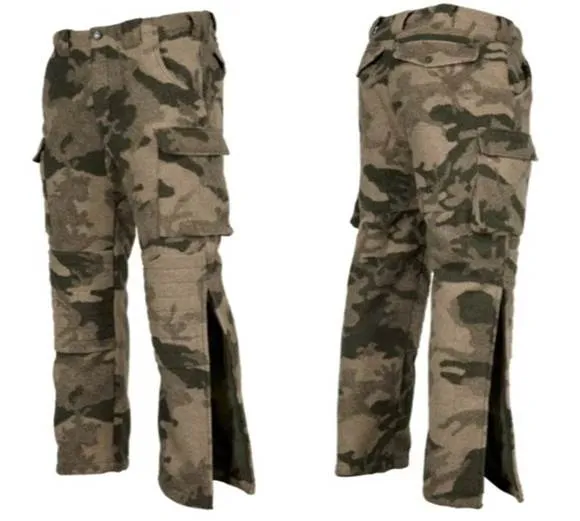
A hunting outfit is a key factor when hunting waterfowl because it often takes place in a wet environment. Waterproof hunting pants can help you get wet when you are walking in wet vegetation, muddy conditions, and shallow water.
When choosing waterproof trousers, take care of more than just their waterproof properties. Restrictive clothing is relevant to mobility, as it can be uncomfortable to walk around or move around while wearing this type of clothes. Breathability is also important when exercising and starting to warm up.
Be extra careful around seams, pockets, waistline and lower leg areas. This information can influence the usefulness of the trousers after they have been worn out a number of times outdoors. The ideal one should be able to protect you against the weather, and still be comfortable enough to meet your needs throughout the day.
Think About Footwear
The need for a defective shoe can be revealed in no time flat in damp conditions. Take into account how deep the water is, the kind of ground, the distance that is likely to be walked and the water temperature when deciding on clothing to wear.
Ideal outdoor footwear should offer the necessary support to help keep feet comfortable for long periods of time outside. Other conditions that could require different types of traction include muddy or uneven surfaces.
Prior to traveling, have shoes that are clean, comfortable and in good repair. It may be helpful to test them out throughout shorter outings before heading to a longer hunting day to determine if there is rubbing, a poor fit or other issues.
Keep Essential Items Protected
Moisture management should be more than just about clothing. If you’re using electronic devices, food, identification, personal supplies, and other important items, they should be protected appropriately from rain and unintentional exposure to water.
Arrange these items for easy access to frequently used items and secure protection for sensitive items. It also helps to pack and unpack after returning from your trip, as the items are separated into wet and dry. A little preparation can make a big difference in making this otherwise great day out enjoyable.
Pack According to the Terrain
Each location of waterfowl will have its own set of challenges. Depending on the type of marsh, shoreline, field and shallow water area, clothing and equipment needs vary. Think about how far you’ll need to walk between the parking lot and the location you want to hunt, how much time you will be standing or sitting, and the distance between the two. Don’t overpack due to possible changes. Rather, focus on what can be used on the trip and isn’t required to be unpacked.
Conclusion
A last equipment inspection can make preparations a lot easier. Check the forecast, pack as needed, look for items to put away and ensure items are covered from moisture. Before the trip, it is also a good idea to know what needs replacing or fixing. A working example should be easy to implement, but not unduly heavy or complicated. When setting up equipment for future outdoor adventures, hunters interested in finding appropriate outdoor products can check out USAHunterShop.com.