
A nature trip offers a refreshing escape from busy routines and provides an opportunity to connect with the natural world. Whether it is a mountain adventure, forest exploration, beach visit, camping experience, or wildlife journey, spending time in nature can improve mental relaxation and create unforgettable memories.
However, a successful nature trip requires proper planning and preparation. Unlike city travel, natural destinations may have limited facilities, changing weather conditions, and unexpected challenges. Carrying the right equipment, understanding safety practices, and preparing a realistic travel plan can make the journey more comfortable and enjoyable.
A well-prepared traveler can explore natural places with confidence while respecting the environment and staying safe throughout the adventure.
Choose the Right Nature Destination
The first step in planning a nature trip is selecting a destination that matches your interests, experience level, and travel goals.
Different natural locations offer different experiences. Mountains may provide hiking and adventure opportunities, forests may offer wildlife exploration, and coastal areas may provide relaxation and outdoor activities.
Before choosing a destination, consider factors such as weather conditions, accessibility, travel distance, available facilities, and local regulations.
Beginners should start with destinations that have clear trails, safety facilities, and easy transportation options. Experienced travelers may choose more challenging locations that require advanced preparation.
Selecting the right destination helps create a comfortable and enjoyable travel experience.
Research Weather and Seasonal Conditions
Weather plays an important role in nature travel planning.
Natural environments can change quickly, and unexpected weather conditions may affect transportation, activities, and safety.
Before traveling, check the expected climate, temperature, rainfall conditions, and seasonal changes of the destination.
For example, hiking routes may become difficult during heavy rainfall, while extreme heat can create challenges during outdoor activities.
Understanding weather patterns helps travelers pack appropriate clothing and prepare for possible changes.
Good weather research reduces risks and allows better planning of outdoor activities.
Create a Detailed Travel Plan
A proper travel plan helps organize the journey and avoid unnecessary problems.
Before leaving, prepare important details such as transportation options, accommodation arrangements, activity schedules, emergency contacts, and estimated expenses.
Share your travel plan with family members or trusted people, especially when visiting remote areas.
A flexible plan is usually better than a strict schedule because natural conditions can change unexpectedly.
Having a clear plan allows travelers to enjoy the experience while remaining prepared for different situations.
Pack Essential Clothing and Gear
Packing the right items is one of the most important parts of nature trip preparation.
Clothing should be selected based on the destination and weather conditions. Comfortable, weather-appropriate clothes help protect against temperature changes and outdoor conditions.
For hiking or outdoor activities, suitable footwear is essential because rough surfaces and long walks require proper support.
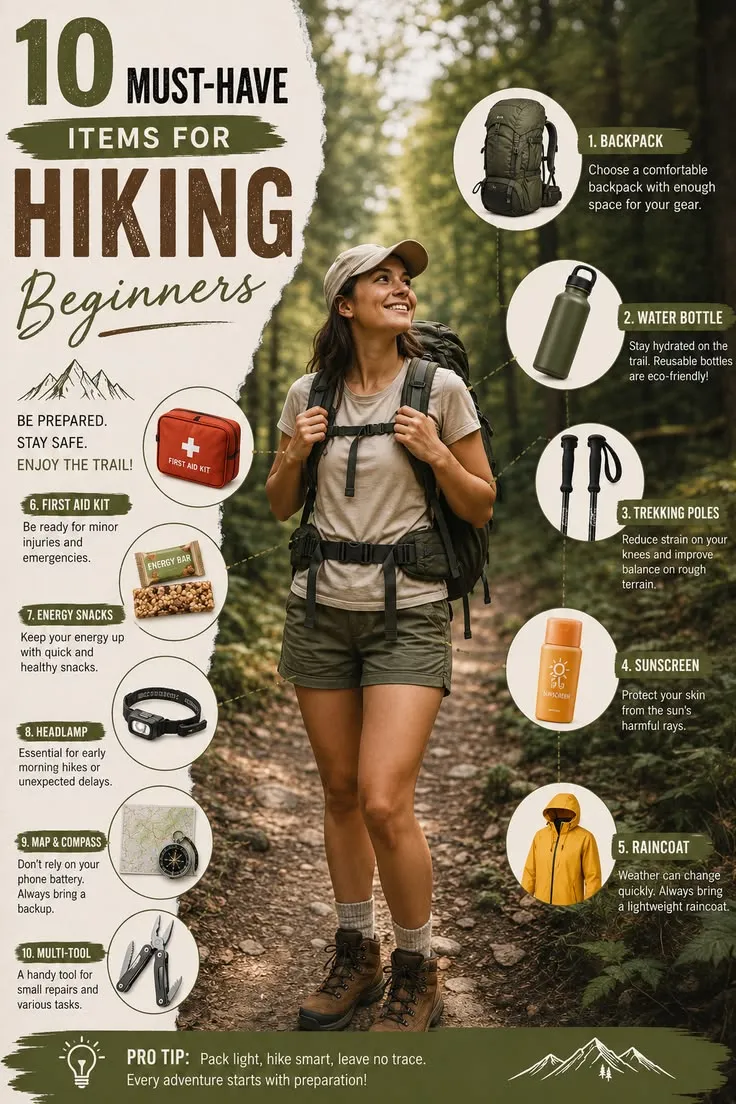
Important items may include rain protection, warm layers, sun protection, a backpack, and comfortable travel clothing.
Avoid overpacking unnecessary items, as carrying too much weight can make outdoor activities difficult.
Smart packing focuses on essential items that improve safety and comfort.
Carry Important Safety Equipment
Safety equipment can make a major difference during outdoor travel.
Depending on the type of trip, travelers may need items such as a first-aid kit, flashlight, navigation tools, emergency supplies, and communication devices.
A basic first-aid kit can help manage minor injuries, insect bites, or common travel discomforts.
Navigation tools are useful when exploring unfamiliar areas, especially where mobile networks may not work properly.
Being prepared with essential safety equipment reduces risks and provides confidence during the journey.
Pack Food and Water Carefully
Access to food and clean water may be limited in some natural locations.
Travelers should carry enough drinking water or have a reliable method of obtaining safe water.
Energy-rich snacks such as nuts, dry fruits, and other lightweight foods can provide quick energy during outdoor activities.
When camping or spending extended time outdoors, plan meals carefully according to the duration and conditions of the trip.
Proper food and water preparation helps maintain energy and prevents health problems during travel.
Understand Basic Outdoor Safety Rules
Nature travel requires awareness and responsible behavior.
Always follow marked paths and avoid entering restricted areas. Unfamiliar locations can contain natural risks such as slippery surfaces, difficult terrain, or wildlife encounters.
Avoid traveling alone in remote areas unless you have proper experience and preparation.
Inform others about your location and expected return time.
Respect local guidelines and safety instructions provided by authorities.
Responsible behavior improves personal safety and protects natural environments.
Learn About Local Wildlife and Environment
Understanding the destination’s environment helps travelers stay safe and respectful.
Different regions may have unique plants, animals, and natural conditions.
Learning basic information about local wildlife helps avoid dangerous situations and encourages responsible interaction with nature.
Travelers should avoid disturbing animals, damaging plants, or leaving waste behind.
Protecting the environment ensures that natural places remain beautiful and available for future visitors.
Follow Leave No Trace Principles
Responsible nature travel means minimizing environmental impact.
Travelers should avoid littering, reduce plastic waste, and dispose of waste properly.
Using reusable water bottles, carrying waste bags, and respecting natural surroundings are simple ways to protect the environment.
Avoid damaging plants, disturbing wildlife, or making unnecessary changes to natural areas.
Following eco-friendly travel practices helps maintain the beauty and balance of natural destinations.
Prepare for Emergency Situations
Even with careful planning, unexpected situations can happen during nature trips.
Travelers should know basic emergency procedures and have important contact information available.
Carry identification documents, emergency numbers, and necessary personal items.
Understanding the nearest medical facilities or rescue options can be helpful, especially in remote areas.
Preparation allows travelers to respond calmly and effectively during unexpected challenges.
Choose Suitable Accommodation Options
Accommodation choices depend on the type of nature trip.
Options may include hotels near natural attractions, eco-friendly stays, campsites, or temporary shelters.
Before booking, consider safety, facilities, location, and accessibility.
Camping requires additional preparation, including suitable equipment and knowledge of outdoor conditions.
Choosing comfortable and secure accommodation improves the overall travel experience.
Maintain Physical Fitness Before Outdoor Activities
Many nature trips involve walking, hiking, climbing, or other physical activities.
Preparing your body before the trip can improve endurance and reduce the risk of injuries.
Regular walking, exercise, and stretching can help travelers handle outdoor activities more comfortably.
Understanding your physical limits is also important.
Choosing activities that match your fitness level creates a safer and more enjoyable experience.
Use Technology Wisely During Nature Trips
Technology can support safer travel when used properly.
Maps, weather applications, digital guides, and communication tools can help travelers plan and navigate.
However, relying completely on technology can be risky in areas with poor connectivity.
Carrying backup options such as offline maps and basic navigation tools is recommended.
Technology should support preparation, not replace essential travel skills.
Frequently Asked Questions (FAQs)
What are the most important things to pack for a nature trip?
Essential items include suitable clothing, comfortable footwear, water, food supplies, safety equipment, and personal necessities.
How can I stay safe during a nature trip?
Research the destination, check weather conditions, follow safety guidelines, carry emergency supplies, and inform others about your plans.
Why is planning important for nature travel?
Planning helps manage risks, prepare for challenges, and create a more comfortable and enjoyable outdoor experience.
Conclusion
Planning a nature trip requires preparation, awareness, and respect for the environment. From choosing the right destination and packing essential items to following safety practices and protecting natural surroundings, every step contributes to a better experience.
A well-prepared traveler can enjoy the beauty of nature while staying comfortable and secure. Proper planning not only reduces risks but also allows travelers to create meaningful memories in some of the world’s most beautiful environments.